TITLE: French Crop Haircut for Men: The Complete 2026 Style Guide META: Everything you need to know about the French crop haircut for men — how to ask for it, styling steps, face-shape fit, and upkeep.
French Crop Haircut for Men: The Complete Style Guide
Last updated: August 19, 2026
The French crop haircut for men has become one of the most requested styles at barbershops over the past few years — and for good reason. It’s short, low-maintenance, and works on nearly every hair type and face shape, which is rare for a style that still looks deliberately styled rather than just “short back and sides.”
This guide covers everything: what the cut actually is, how it differs from a French crop fade, how to ask your barber for it, how to style it at home, and which variations suit different hair types.
In this guide you’ll learn:
- What defines a French crop haircut and where it came from
- How the French crop differs from a fringe, crew cut, or Caesar cut
- Step-by-step instructions for cutting and styling it
- Which face shapes and hair types it suits best
- How to maintain it between barber visits
- Common mistakes that ruin the shape
Table of Contents
- What Is a French Crop Haircut?
- French Crop vs. Similar Cuts
- How to Get a French Crop: Step-by-Step
- French Crop Variations Compared
- How to Style a French Crop at Home
- Does It Suit Your Face Shape and Hair Type?
- Maintenance and Upkeep
- Common Mistakes to Avoid
- FAQ
What Is a French Crop Haircut?
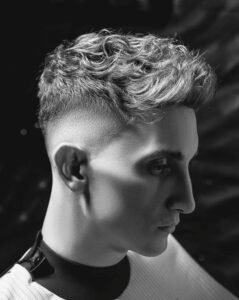
A French crop is defined as a short haircut with a textured fringe left slightly longer on top, cut into a blunt line across the forehead, with the back and sides trimmed short — usually cropped or faded. It’s essentially a modernized Caesar cut with more texture and a sharper fringe.
The style takes its name from the “crop” tradition — short, no-fuss cuts — combined with a French-inspired fringe that sits just above the eyebrows. The top is left long enough (usually 1–2 inches) to add texture and movement, while the sides are cut close, creating contrast without the top looking heavy.
Key features of the French crop:
- Short, textured top with a blunt or slightly rounded fringe
- Tight sides — either cropped short or faded
- Minimal length on top compared to a quiff or pompadour
- Works with straight, wavy, and curly hair
- Requires very little daily styling effort
French Crop vs. Similar Cuts
People often confuse the French crop with a few other short styles. Here’s how it actually differs.
French crop vs. Caesar cut: The Caesar cut has a straight fringe with almost no texture and typically the same length all over the top. The French crop has more texture on top and a bit more length, giving it a more modern, tousled finish.
French crop vs. crew cut: A crew cut is uniformly short across the top with no distinct fringe. A French crop is defined by its longer, textured fringe — that’s the whole point of the style.
French crop vs. French crop fade: This is the most common comparison, and it’s really about the sides, not the top. A standard French crop has short, cropped sides (often clipper-cut to a low number, like a #2 or #3). A French crop fade takes those same top and fringe features but tapers the sides down to skin or a very short length, creating a more dramatic gradient from top to bottom.
How to Get a French Crop: Step-by-Step
Here’s what a barber typically does when cutting a French crop, so you know what to expect — or how to describe it if you’re a bit particular about the details.
Step 1: Discuss length and fringe shape. Decide how long you want the top (usually 1–1.5 inches) and whether you want a hard, blunt fringe line or a slightly softer, textured edge.
Step 2: Cut the top with scissors or clippers-over-comb. The barber cuts the top to an even length, leaving enough to create texture, then blends it toward the crown.
Step 3: Cut the fringe. The fringe is cut across the forehead, either razor-blunt or point-cut for a softer, textured finish.
Step 4: Trim or fade the sides. For a classic French crop, the sides are clipper-cut short and even. For a French crop fade, the barber blends the sides from skin or very short at the bottom up into the length on top.
Step 5: Clean up the neckline and edges. The barber defines the hairline, sideburns, and neckline for a sharp finish.
Step 6: Texturize (optional). Some barbers use thinning shears or a razor on the top to reduce bulk and add movement, especially on thicker hair.
Pro tip: If you have a cowlick or a strong hair part, tell your barber before they cut the fringe — the direction your hair naturally falls will change how the fringe should be cut and where it should sit.
French Crop Variations Compared
Not every French crop looks the same. Here’s how the main variations stack up.
| Variation | Sides | Best For | Styling Effort | Upkeep Frequency |
|---|---|---|---|---|
| Classic French Crop | Short clipper cut (#2–#3) | Straight or wavy hair, workplaces with conservative dress codes | Low | Every 4–5 weeks |
| French Crop Fade | Skin fade or low taper | Thicker hair, anyone wanting more contrast | Low–Medium | Every 2–3 weeks |
| Textured French Crop | Short sides, choppy top | Wavy or curly hair, casual settings | Medium | Every 4–5 weeks |
| Disconnected French Crop | Sides left slightly longer, no fade blend | Thick or curly hair, statement styles | Medium | Every 5–6 weeks |
| Curly French Crop | Cropped sides, natural curl left on top | Curly or coily hair types | Low | Every 5–6 weeks |
Recommendation: If you’re getting your first French crop, ask for the classic version with a low fade — it’s the most versatile option and gives your barber the clearest reference point, since it’s the version most commonly shown in barber portfolios.
How to Style a French Crop at Home
One of the biggest draws of this cut is how little daily effort it needs. Here’s a simple routine.
- Towel-dry your hair after washing, leaving it damp rather than soaking wet.
- Apply a small amount of product — a matte clay or paste for a natural finish, or a pomade if you want more shine and hold.
- Work the product through the top with your fingers, pushing hair slightly forward toward the fringe.
- Define the fringe by pressing it down or slightly to the side, depending on your preferred look.
- Let it air-dry or blow-dry on a cool setting to lock the shape in place.
Product notes:
- Matte clay or putty suits most French crops since the style relies on texture rather than shine.
- Pomades work well if you want a sleeker, more polished fringe.
- Avoid heavy waxes, which can weigh down the shorter top and flatten the texture the cut depends on.
Does It Suit Your Face Shape and Hair Type?
The French crop is one of the more universally flattering short cuts, but a few adjustments help it work better for specific faces and hair textures.
- Round faces: Ask for slightly more height on top and a sharper fringe line to add visual length to the face.
- Square faces: A softer, more textured fringe balances a strong jawline nicely.
- Long faces: Keep the top shorter and avoid excess height, which can exaggerate face length.
- Straight hair: Holds a crisp fringe line well and is the easiest texture to style with this cut.
- Wavy hair: Adds natural texture to the top, often needing less product than straight hair.
- Curly hair: Works well with a slightly longer top left more natural, rather than a hard blunt fringe.
Maintenance and Upkeep
A French crop is short by design, which means it grows out of shape faster than longer styles. Most people need a trim every 3–5 weeks to keep the fringe line and side length looking intentional rather than just “grown out.”
Between visits:
- Keep the fringe trimmed yourself with small scissors if it starts falling into your eyes.
- Use a light styling product daily rather than skipping product altogether, which helps the cut hold its shape as it grows.
- If you have a fade, expect to visit the barber more often than with a classic cropped-sides version, since fades grow out visibly faster.
Common Mistakes to Avoid
- Skipping the reference photo. “French crop” means slightly different things to different barbers — bring a photo to avoid a mismatch.
- Letting the fringe grow too long. Once it passes a certain length, the cut starts looking more like a fringe/quiff hybrid than a true French crop.
- Using too much product. Overloading the top with heavy pomade or wax flattens the texture that defines the style.
- Ignoring your hair’s natural fall. Fighting a strong natural part or cowlick with product usually looks worse than working with it.
- Waiting too long between trims. The contrast between the fringe and the sides is what makes the cut look sharp — once the sides grow out, that contrast disappears.
FAQ
What is a French crop haircut?
A French crop is a short haircut with a textured, blunt fringe on top and short or faded sides. It’s a modern take on the classic Caesar cut with more texture and a slightly longer top.
How is a French crop different from a French crop fade?
The top and fringe are essentially the same in both. The difference is the sides — a classic French crop has short, evenly clipped sides, while a French crop fade tapers the sides down to skin or a very short length for more contrast.
Is a French crop haircut for men only?
The French crop is most commonly worn and marketed as a men’s style, though the underlying cut — short sides with a textured fringe — can be adapted for any gender who wants a short, low-maintenance look.
How much does a French crop haircut cost?
Pricing varies widely by barbershop and location, typically falling in line with standard men’s haircut pricing in your area, sometimes slightly more if a fade or detailed fringe work is included.
How often do I need to get a French crop trimmed?
Most people need a trim every 3–5 weeks. If you’re getting a fade version, expect to visit more often — roughly every 2–3 weeks — since fades grow out and lose definition faster.
Can I style a French crop without product?
You can, but a small amount of matte clay or paste helps define the fringe and keep the texture on top from looking flat, especially on straight hair.
Does a French crop work with curly hair?
Yes. Curly hair actually suits the style well — many barbers recommend leaving the top slightly longer and less blunt so the natural curl pattern can show through rather than fighting it with a hard-edged fringe.
What’s the difference between a French crop and a regular fringe?
A fringe on its own just describes hair cut straight across the forehead, at any length. A French crop specifically pairs a short, textured fringe with short or faded sides — the fringe alone doesn’t make a French crop without that side treatment.
Conclusion
The French crop haircut for men earns its popularity by being genuinely low-maintenance without looking like you didn’t put any thought into it. The short sides and textured fringe combination works across most face shapes and hair types, and once it’s cut correctly, daily styling takes under a minute.
Next steps:
- Save a reference photo of the exact French crop variation you want before your next barber visit
- Decide between a classic crop or a fade based on how much contrast you want
- Pick up a matte clay or paste if you don’t already have a short-hair styling product on hand
This guide is intended as general style and grooming information. Individual results depend on your barber’s technique, your natural hair texture, and hair growth rate — consult your barber for advice specific to your hair.