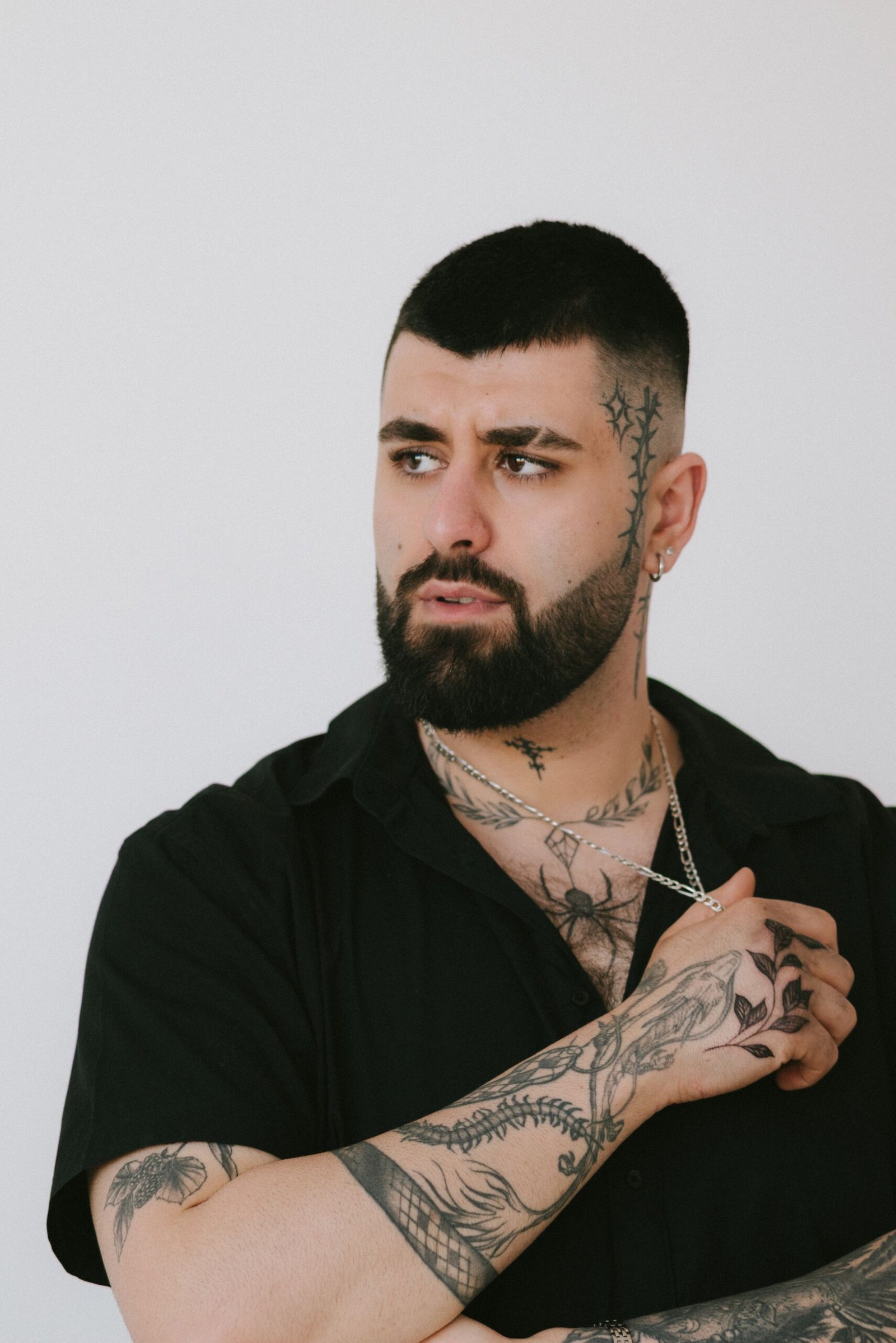

SEO Title Tag: `Modern Mullet Haircut Men: The Complete 2026 Guide`
## Introduction
Sport Clips Haircuts commissioned a national survey through One Poll and found that one in five American men now name the mullet as the throwback style they most want to see stick around . That’s not a niche trend anymore. That’s a fifth of the men in this country actively rooting for a haircut their fathers wore to concerts in 1986.
If you’re reading this, you’ve probably already scrolled past a dozen versions of it on your For You page and wondered whether a **modern mullet haircut** would actually work on your face, your job, and your hair type, or whether you’d just end up looking like you lost a bet. Fair question. The old mullet earned its bad reputation honestly. The new one is a different animal, built on fades and deliberate layering instead of a straight blunt cut all the way around.
**Key Takeaways**
– The difference between a “good” modern mullet and a bad one usually comes down to one thing: how the sides transition into the back.
– There isn’t one modern mullet, there are dozens of variants, and picking the wrong one for your hair texture is the most common mistake.
– Growing one out from a regular short cut typically takes three to five months before it has real shape.
– A specific script you can hand your barber word for word (included below) prevents most disasters.
– You’ll get a face-shape matrix, a maintenance comparison table, and a troubleshooting FAQ, so by the end you can walk into a barbershop and know exactly what to ask for.
Here’s the full breakdown, starting with what actually makes a mullet “modern.”
—
Table of contents
1. [What Is a Modern Mullet, Really?](#what-is-a-modern-mullet-really)
2. [The Main Modern Mullet Variations](#the-main-modern-mullet-variations)
3. [Which Mullet Fits Your Face Shape and Hair Type](#which-mullet-fits-your-face-shape-and-hair-type)
4. [How to Get One: The Barbershop Conversation](#how-to-get-one-the-barbershop-conversation)
5. [Growing Out and Maintaining the Cut](#growing-out-and-maintaining-the-cut)
6. [Modern Mullet Comparison: Top Options at a Glance](#modern-mullet-comparison-top-options-at-a-glance)
7. [FAQ](#faq) Modern Mullet
8. [Conclusion](#conclusion)
—
## What Is a Modern Mullet, Really?
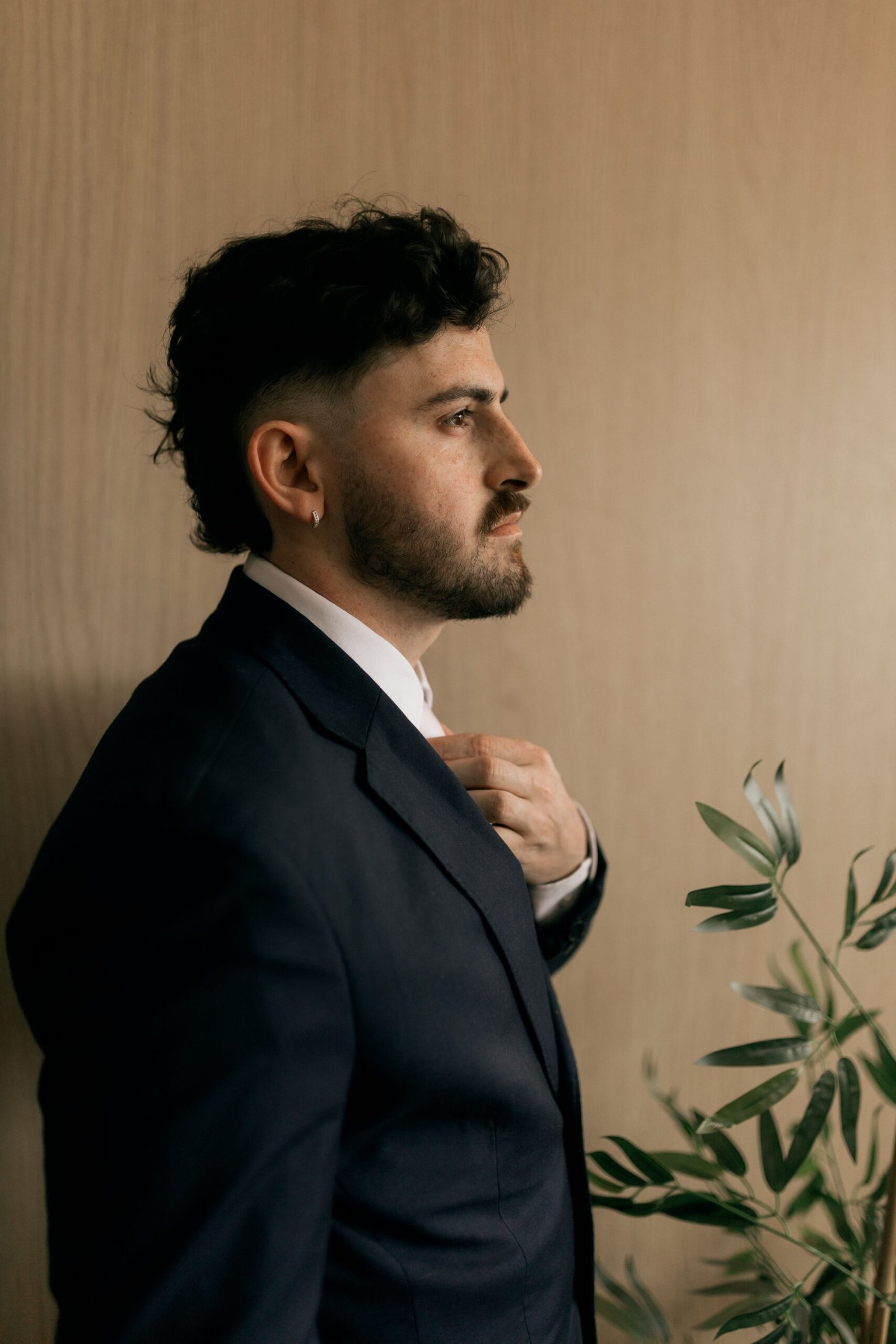
**Modern mullet haircut** is defined as a men’s hairstyle that keeps the sides and top short, faded, or heavily textured while leaving noticeably longer hair at the back, with the two lengths blended through gradual layering instead of the hard, uneven line that defined the 1980s original.
**Quick Answer:** The modern version isn’t longer or shorter than the classic mullet, it’s just better connected. Fades replace the old buzzed-then-long jump, and texture on top keeps the whole thing looking styled instead of accidental.
What actually changed between 1985 and now? Three things, mainly.
First, fades. A skin fade, burst fade, or low taper on the sides gives the eye a gradual path from scalp to length, so the back doesn’t look bolted on. Second, texture. Barbers now point-cut and thin the top so it has movement instead of sitting flat, which softens the whole silhouette. Third, intent. The old mullet often happened by accident, a bad home haircut, a stylist who ran out of time. The 2026 version is requested on purpose, with reference photos, by guys who’ve thought about it.
One writer covering the trend put it well: today’s mullet isn’t rebellion for its own sake anymore it’s become a deliberate style choice rather than an accident, showing up on red carpets and in fashion editorials alongside softer, more refined variants.That shift from “oops” to “on purpose” is the whole story.
**Self-contained Q&A:** *Is the modern mullet the same haircut as the 1980s mullet?* No. Both share the short-front, long-back structure, but the modern version uses fades and layering techniques that didn’t exist in mainstream barbering forty years ago, which is why it reads as intentional rather than dated.
### Why It Came Back Now
Trend forecasters pin part of the comeback on social media, where short-form video rewards haircuts with a strong before-and-after reveal, and a mullet’s dramatic length contrast does that better than almost any other cut. Search interest in the lighter “mini-mullet” version alone climbed sharply among younger men over the past year, largely traced back to red-carpet looks worn by young actors <cite index=”6-1″>and cited at an 84% year-over-year jump in search interest for the style</cite>. Add in a general men’s grooming shift away from the ultra-tight skin fades that dominated the 2015 to 2022 stretch, and you’ve got the conditions for a comeback.
### Why It’s Not Going Anywhere Soon
Barbers covering the 2026 season describe the mullet as past its “trend spike” and now settling in as a wearable staple, with variations getting sharper rather than fading out. One UK trend report for the year noted stylists expect mullets and shag-influenced cuts to keep dominating barber chairs through the season, pushing skin fades into a supporting role instead of the default. That’s a meaningful shift. Trends that survive past their first viral wave tend to stick around in barbershop menus for years, not months.
> A modern mullet haircut keeps the sides short or faded and the back long, blended through gradual layering so the transition looks deliberate instead of like an accident.
—
## The Main Modern Mullet Variations
Not every mullet looks the same, and that’s actually the point. Barbers now group them loosely by fade style, by texture, and by how extreme the length contrast runs. Getting this part wrong, walking in and just saying “give me a mullet”, is how guys end up with a cut that doesn’t fit their hair type at all.
### The Fade-Based Family
– **Burst fade mullet.** The fade curves around the ear instead of running straight, keeping the back length untouched. Reads sharp and modern, works best on straight hair where the fade line stays crisp.
– **Skin fade mullet.** Sides taken down to the skin, maximum contrast against the long back. The boldest version of the group.
– **Low taper mullet.** A gentler fade that starts low on the head, good for offices and anyone easing into the style for the first time.
– **Mid or high fade mullet.** More dramatic contrast, more upkeep, and a noticeably edgier finish.
### The Texture-Based Family
– **Shag mullet.** Heavy layering throughout, choppy ends, deliberately undone. This is the version borrowed straight from 1970s rock styling and softened for today.
– **Curly mullet.** Leans into natural curl pattern instead of fighting it, usually kept a bit shorter on top so curls don’t get weighed down.
– **Wolf cut.** Technically a hybrid, it blends shag layering with mullet length at the back, creating a shaggier, rounder shape than a standard mullet.
### The Subtlety Spectrum
– **Micro mullet.** The most office-friendly version, minimal length difference, easy to grow into or out of.
– **Mini mullet.** Slightly more length in the back than the micro, still restrained.
– **Euro mullet.** Very short, textured top against a long, clearly defined tail. Popular in European fashion circles for its sharp contrast.
**Pro Tip:** If you’ve never had long hair in your life and you’re nervous about committing, start with a micro mullet on a low taper. It’s reversible in one haircut if you hate it, and it teaches you how you feel about extra length at the neckline before you commit to something bolder.
**Original Framework — The Mullet Boldness Scale:** Rank any mullet variation on a 1-to-5 scale based on two factors: fade intensity (how short the sides go) and length contrast (how long the back gets relative to the top). A micro mullet with a low taper sits around a 2. A skin-faded shag mullet with a long back sits closer to a 5. Use this scale when you’re describing what you want to a barber who’s never met you, it translates better than adjectives like “edgy” or “subtle.”
—
## Which Mullet Fits Your Face Shape and Hair Type
**Quick Answer:** Round and square faces generally do better with mullets that add height on top and keep the sides tighter, while oval and long faces have more flexibility and can carry fuller, shaggier top sections.
Face shape doesn’t lock you out of a style, but it does change which version will actually flatter you versus which one will fight your features.
| Face Shape | Best Mullet Type | Why It Works | Avoid |
| Oval | Almost any variation | Balanced proportions handle both fuller and tighter tops | Nothing major to avoid |
| Round | Shag mullet with height on top | Vertical texture elongates the face | Skin fade with a flat top |
| Square | Curtain-fringe mullet | Softens strong jawline angles | Sharp burst fade with no fringe |
| Long | Wolf cut | Width from layering balances face length | Euro mullet (too vertical) |
| Heart | Micro mullet with side texture | Keeps volume lower, away from a wide forehead | Heavy top volume |
| Diamond | Curly or shag mullet | Softens angular cheekbones | Skin fade (too severe) |
Hair texture matters just as much as face shape, arguably more, because it decides whether a given cut is even achievable without extensions or a lot of product.
**Straight hair:** Handles fades beautifully because the line stays crisp and visible. Burst fades and euro mullets both look best on straight hair for exactly this reason. The tradeoff is that straight hair can look thin at the back if there’s not enough length, so ask your barber to keep a bit more weight there.
**Wavy or curly hair:** Naturally adds volume and a lived-in feel, which suits shag and wolf cut variations especially well. A barber cutting curly hair for a mullet should be doing dry cuts, or at least checking the shape while it’s dry, since curls shrink up and shift as they dry.
**Thick hair:** Can carry more length and heavier layering without looking flat. Thick-haired guys often get the most dramatic before-and-afters because there’s more material to work with.
**Fine or thin hair:** Needs texture more than length. A fine-haired guy chasing a long, heavy back section will end up with something that looks stringy rather than styled. Micro and mini mullets with internal layering tend to work better here.
**Self-contained Q&A:** *Can men with fine or thinning hair get a modern mullet?* Yes, but the recommended approach is a shorter, more restrained version like a micro mullet, since heavy length combined with thin hair tends to look sparse rather than styled.
—
## How to Get One: The Barbershop Conversation
This is the section most guides skip, and it’s the reason so many mullet attempts go sideways. You can pick the perfect variation for your face shape and still walk out with the wrong haircut if you can’t communicate it clearly.
### Step-by-Step: Booking and Requesting the Cut
1. **Pick your target variation** using the Mullet Boldness Scale above, and save two or three reference photos of guys with your hair texture, not just your favorite celebrity.
2. **Check your barber’s portfolio** for mullets specifically. A barber who’s great at skin fades isn’t automatically good at blending a mullet, ask to see examples.
3. **Book a consultation slot if offered**, especially for your first mullet. A five-minute conversation before the clippers come out prevents most regrets.
4. **Use a direct script.** Something like: “I want a modern mullet, not extreme. Clean fade on the sides, texture on top, keep the back length. No hard lines between the sections.”
5. **Ask for a dry check** partway through if you have curly or wavy hair, so you can both see how it’s actually sitting.
6. **Set a follow-up appointment** for four to six weeks out before you leave, mullets drift out of shape faster than a basic short cut because there’s more going on structurally.
**Pro Tip:** Bring a photo of your own hair from a length you liked in the past, even an old phone photo from two years ago. Barbers get more useful information from seeing your actual hair behave than from a photo of a different person’s hair texture.
### A Real Example
A regular client at a Minneapolis barbershop, mentioned in a stylist’s before-and-after case notes, came in wanting “the TikTok mullet” with zero further detail. The barber sat him down, walked through four reference photos, and landed on a low taper with a shag-textured top, a noticeably more conservative pick than the skin-faded version he’d initially pointed at. Eight weeks later he came back asking for it slightly bolder, moving one step up the Boldness Scale instead of jumping straight to a 5. That gradual approach, start moderate, adjust after living with it, is the pattern barbers report working best for first-timers.
**Original Framework — The Grow-Fade Method:** A three-phase approach for guys transitioning from a short haircut into a full modern mullet without an awkward middle stage. Phase one (weeks 1 to 6): get a micro mullet with a low taper, this establishes the shape early. Phase two (weeks 7 to 14): keep the sides maintained on a four-week schedule while letting the back grow untouched. Phase three (week 15 onward): once the back has real length, choose your final fade intensity and texture level. This staged approach avoids the “mystery mullet” phase where hair is too long to be short and too short to be long.
—
## Growing Out and Maintaining the Cut
**Quick Answer:** Growing a modern mullet from a standard short cut takes roughly three to five months to develop real shape at the back, and upkeep on the sides runs every three to four weeks to keep the fade or taper clean.
Maintenance is where a lot of guys underestimate what they’re signing up for. A mullet isn’t lower-maintenance than a buzz cut. It’s differently maintained.
### What Ongoing Upkeep Actually Looks Like
– **Side trims every 3 to 4 weeks.** Faded and tapered sides grow out fast and look messy well before the back does.
– **Back trims every 2 to 3 months.** Just enough to keep the ends healthy without losing the length you’re growing for.
– **Daily styling product.** Sea salt spray for texture and hold, a matte clay or texture powder to finish, and a blow-dryer with a round brush if you want lift at the crown.
– **Deep conditioning every 1 to 2 weeks** once the back passes shoulder-adjacent length, longer hair dries out faster and split ends show more on a mullet’s exposed tail.
### Common Mistakes That Ruin the Cut
Barbers who specialize in mullets flag the same handful of errors constantly, and they’re almost always fixable with a conversation before the cut, not after.
– **Fade too high.** Pushes the whole look toward aggressive instead of intentional, and it’s the single fastest way to age the style back into “1980s mistake” territory.
– **Back too thin.** A mullet needs visible presence at the back. If your barber is leaving wisps instead of real length, ask for less thinning next time.
– **No transition zone.** Skipping the blend between short and long recreates the exact hard line that made the original mullet look accidental.
– **Ignoring hair type.** Requesting a heavy shag mullet with fine, thin hair, or a tight skin-fade mullet with very curly hair, sets you up to fight your own texture every single day.
**Self-contained Q&A:** *How often does a modern mullet need to be trimmed?* The sides typically need a trim every three to four weeks to keep the fade sharp, while the back only needs shaping every two to three months since the goal there is length, not tightness.
—
## Modern Mullet Comparison: Top Options at a Glance
| Option | Key Feature | Best For | Maintenance | Commitment Level |
| Micro Mullet | Minimal length contrast | First-timers, office settings | Low | Easy to reverse |
| Burst Fade Mullet | Curved fade around the ear | Straight hair, sharp look | Medium | Moderate |
| Skin Fade Mullet | Maximum sides-to-back contrast | Bold, confident styles | High | High |
| Shag Mullet | Heavy layering, choppy texture | Wavy or curly hair | Medium | Moderate |
| Wolf Cut | Shag layering plus mullet length | Long or square face shapes | Medium | Moderate |
| Euro Mullet | Very short top, long defined tail | Straight hair, fashion-forward | High | High |
**Our pick:** For most first-time mullet guys, the **burst fade mullet** hits the best balance, it’s distinctive enough to actually read as a mullet, but the curved fade keeps it looking deliberate and it’s easier for most barbers to execute cleanly than a full skin fade or euro mullet.
—
## FAQ Modern Mullet
**What is a modern mullet haircut?**
A modern mullet haircut keeps the sides and top short or faded while leaving the back noticeably longer, blended through gradual layering. It’s built on the same short-front, long-back structure as the classic 1980s mullet, but modern fading and texturing techniques make the transition look intentional instead of abrupt.
**How does a barber create a modern mullet?**
A barber typically fades or tapers the sides first, then works texture into the top with point-cutting or thinning shears, and leaves the back section largely untouched aside from shaping the ends. The key skill is blending the boundary between the short sections and the long back so there’s no hard line.
**Why is the mullet trending again in 2026?**
Social media rewards haircuts with a dramatic before-and-after reveal, and a mullet’s length contrast delivers that better than most cuts. Barbers also point to fatigue with the ultra-tight skin fades that dominated men’s hair for the better part of a decade, creating an appetite for something with more texture and personality.
**Is a modern mullet worth getting?**
It’s worth it if you like the idea of a distinctive, low-effort-once-grown style and you’re willing to commit to a few months of awkward in-between growth. It’s not worth it if your workplace has a conservative dress code or you’re not willing to trim the sides every three to four weeks.
**What’s the best modern mullet for curly hair?**
A shag mullet or wolf cut usually works best on curly hair, since both styles lean into natural volume and texture instead of requiring a crisp, straight fade line that curls tend to disrupt.
**How much does a modern mullet haircut cost?**
Pricing generally matches whatever a standard men’s haircut costs at your barbershop, since the cut itself doesn’t require special tools, though some shops charge a bit more for the extra time a careful blend takes, typically an extra $5 to $15.
**Modern mullet vs. wolf cut, what’s the actual difference?**
A wolf cut blends shag-style layering throughout the whole head with mullet-length hair at the back, giving it a rounder, shaggier silhouette, while a standard mullet keeps a clearer boundary between the short front and sides and the long back.
**What’s the best way to ask a barber for a modern mullet without getting a bad one?**
Bring two or three reference photos of men with your hair texture, describe the fade intensity and length contrast you want using plain terms like “low taper” and “keep the back length,” and explicitly ask for a blended transition instead of a hard line between sections.
**My mullet grew out unevenly, how do I fix it?**
Go back in for a trim that resets the transition zone between the short and long sections, since uneven growth almost always means the sides have outgrown the original fade while the back hasn’t been reshaped. Most barbers can correct this in a single appointment.
—
## Conclusion
The modern **mullet haircut** for men isn’t the joke it was in 2005. It’s a legitimate, requestable style built on fades and texture instead of an accident with clippers, and it’s popular enough that one in five American men now say they want it to stick around <cite index=”6-1″>(OnePoll survey for Sport Clips Haircuts, 2026)</cite>. Three things matter more than anything else if you’re considering it: pick a variation that actually fits your face shape and hair texture, use a specific script when you talk to your barber instead of a vague reference photo, and go in accepting that the sides need attention every three to four weeks even after the back is grown out.