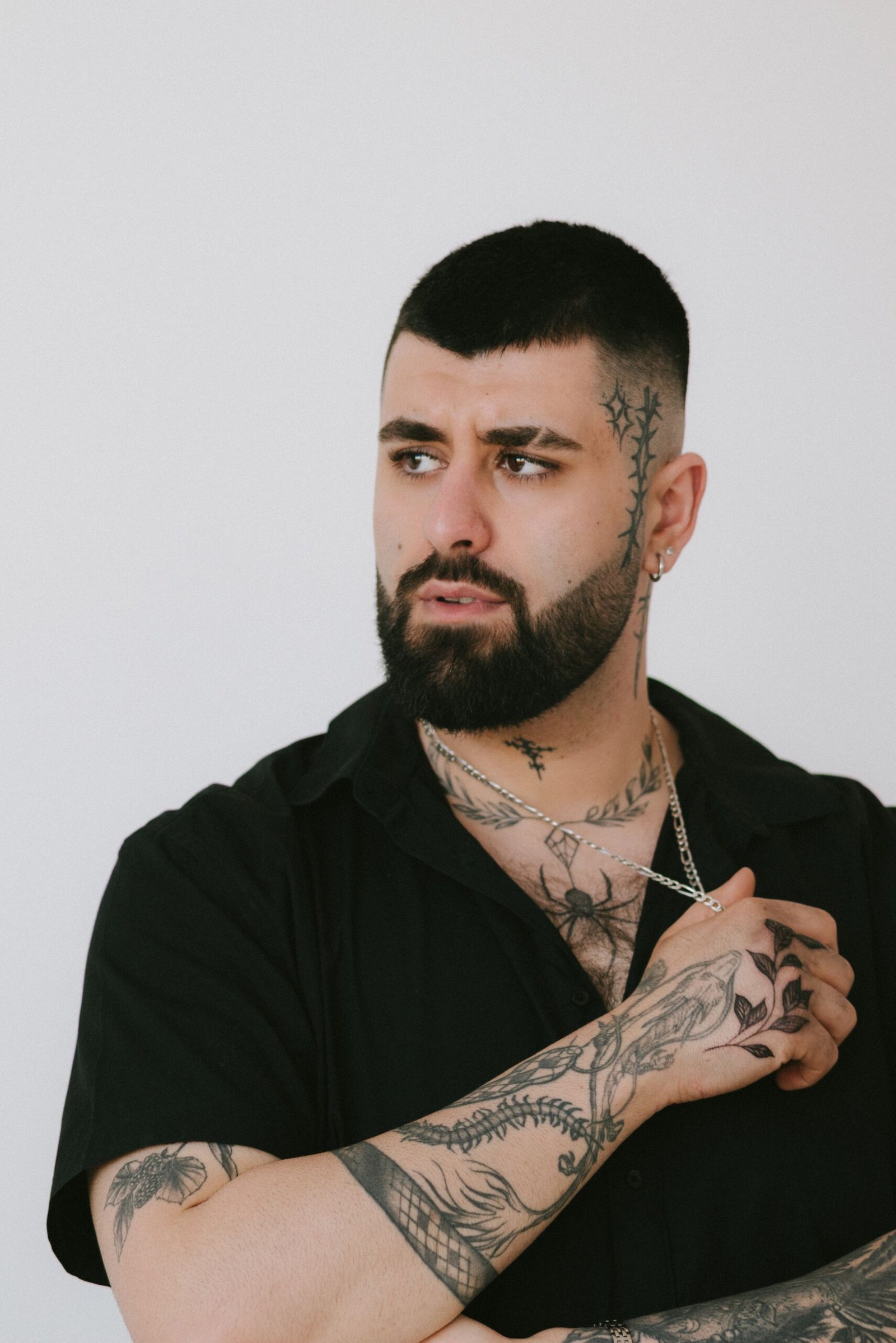

*In this guide you’ll learn;
-
TITLE: French Crop Fade: The Complete 2026 Style Guide
-
Last updated: August 19, 2026
-
The French crop fade men takes the textured, fringe-forward top…
The haircut French crop fade men takes the textured, fringe-forward top of a classic French crop haircut and pairs it with a tapered or skin fade on the sides, creating more contrast than the standard version. It’s one of the most requested combinations at barbershops right now because it looks sharper than a regular crop while still being low-maintenance day to day.
This guide covers what a French crop fade actually is, how it differs from a standard French crop, how to ask for it, and how to keep it looking sharp between visits. This French crop fade style for this generation is a fashion.
In this guide you’ll learn:
- What makes a French crop fade different from a plain French crop haircut
- The different fade heights you can pair with a French crop
- How to ask your barber for it, step by step
- French crop fade styling tips for different hair types
- How often you’ll need to get it trimmed
Table of Contents
- What Is a French Crop Fade?
- French Crop Fade vs. Classic French Crop
- How to Get a French Crop Fade: Step-by-Step
- Fade Heights Compared
- French Crop Fade Styling at Home
- Does It Suit Your Face Shape and Hair Type?
- Maintenance and Upkeep
- Common Mistakes to Avoid
- FAQ
What Is a French Crop Fade?
This style French crop fade is defined as a short haircut with a textured, blunt fringe on top and a tapered fade on the sides that gradually shortens toward the skin. It combines the two most requested elements in modern men’s haircuts — the French crop’s textured fringe and the fade’s clean gradient — into a single style.
The top follows the same rules as a standard French crop haircut: short length (roughly 1–1.5 inches), enough texture to add movement, and a fringe cut across the forehead. What sets the fade version apart is entirely in the sides, which taper down instead of staying a uniform short length.
Key features of the French crop fade cut:
- Textured, blunt-cut fringe on top
- Sides that gradually fade from longer at the top to shorter (or skin) at the bottom
- More visual contrast than a classic French crop
- Works with straight, wavy, and curly hair
- Still low daily-styling effort, though the fade itself needs more frequent barber visits
French Crop Fade vs. Classic French Crop
The top of both cuts is nearly identical — that’s the “French crop” part. The difference comes down to the sides.
Sides: A classic French crop uses short, evenly clipped sides (often a single guard length, like a #2 or #3, all the way down). A French crop fade blends the sides through multiple lengths, tapering from longer near the top down to very short or skin near the ears and neckline.
Contrast: Because of that gradient, the French crop fade creates a more dramatic contrast between the top and sides than the flatter, more uniform look of a classic crop.
Maintenance: Fades grow out faster visually than a single-length crop, so a French crop fade typically needs a barber visit every 2–3 weeks to keep the blend sharp, compared to 4–5 weeks for a standard French crop.
French crop fade styling also tends to draw more attention to the top, since the tapered sides make the textured fringe stand out more than it would against uniformly short sides.
How to Get a style of French Crop Fade: Step-by-Step
Here’s what a barber typically does when cutting a French crop fade.
Step 1: Agree on fade height and top length. Decide whether you want a low, mid, or high fade, and how much length to leave on top for the fringe.
Step 2: Fade the sides first. The barber works from the bottom up with clippers, blending guard lengths to create a smooth gradient with no visible lines between lengths.
Step 3: Cut the top. The top is cut with scissors or clippers-over-comb to an even length, leaving enough hair to build texture.
Step 4: Cut the fringe. The fringe is cut across the forehead, either as a hard blunt line or point-cut for a softer edge.
Step 5: Blend the top into the fade. The barber connects the top length into the faded sides so there’s no obvious step between the two.
Step 6: Clean up the neckline and edges. The hairline, sideburns, and neckline are defined for a sharp finish.
Pro tip: If you’re not sure which fade height to ask for, request a “mid fade” — it’s the most versatile option and softens more gradually than a high or skin fade, which is more forgiving if you’re not getting the cut redone every two weeks.
Fade Heights Compared
| Fade Height | Where It Starts | Best For | Contrast Level | Upkeep Frequency |
|---|---|---|---|---|
| Low Fade | Just above the ears | Conservative or workplace-friendly looks | Subtle | Every 3–4 weeks |
| Mid Fade | Roughly temple height | Most face shapes, balanced contrast | Medium | Every 2–3 weeks |
| High Fade | Above the temple, higher on the head | Bold, statement styles | High | Every 2 weeks |
| Skin Fade | Tapers down to bare skin | Maximum contrast with the top | Very High | Every 1–2 weeks |
| Taper (no hard fade) | Gradual, no clipper-guard blending | Softer, more natural transition | Low | Every 4–5 weeks |
Recommendation: A mid fade paired with a French crop is the easiest version to maintain while still giving noticeably more contrast than a classic crop, which is why it’s the version most barbers default to when a client just asks for “a French crop fade” without specifying height.
French Crop Fade Styling at Home
The fade itself doesn’t need daily styling — that’s the barber’s job to maintain the blend. Your daily routine is really about the top.
- Towel-dry your hair, leaving it damp rather than fully dry.
- Apply a small amount of matte clay or paste to the top, focused on where the fringe sits.
- Work the product through with your fingers, pushing hair slightly forward.
- Define the fringe line, pressing it down or angling it depending on preference.
- Air-dry or use a blow-dryer on a cool setting to set the shape.
Product notes:
- Matte clay suits the French crop fade for men best since the style relies on texture, not shine, to stand out against the tapered sides.
- Avoid heavy pomades or waxes on top — they flatten the texture that creates contrast with the fade.
- No product is needed on the faded sides themselves.
Does It Suit Your Face Shape and Hair Type?
Because the fade adds contrast, face shape considerations matter slightly more here than with a classic French crop.
- Round faces: A higher fade adds visual length and works well against the shorter fringe.
- Square faces: A mid or low fade with a softer, textured fringe balances a strong jawline without over-emphasizing angles.
- Long faces: A low fade keeps more visual weight on the sides rather than drawing the eye upward.
- Straight hair: Holds a crisp fringe line easily and blends cleanly into a fade.
- Wavy hair: Adds natural texture on top that contrasts nicely with the smooth fade underneath.
- Curly hair: Works well with a slightly longer, more natural top rather than a hard blunt fringe, paired with a low or mid fade so the curl pattern isn’t overwhelmed by contrast.
Maintenance and Upkeep
The fade is the part that grows out fastest and most visibly, since even a small amount of regrowth blurs the sharp gradient between guard lengths. Most people need a trim every 2–3 weeks to keep a French crop fade style to look clean, compared to 4–5 weeks for a non-faded French crop.
Between visits:
- Keep the fringe trimmed with small scissors if it starts falling into your eyes before your next appointment.
- Don’t expect home clippers to maintain the blend — fading is one of the harder skills to replicate without professional tools and practice.
- If your fade grows out and the lines start to blur, a lower fade height at your next visit will need less frequent upkeep going forward.
Common Mistakes to Avoid
- Not specifying fade height. “French crop fade” alone doesn’t tell your barber how high you want the taper — bring a reference photo.
- Waiting too long between trims. The fade is the first part of the cut to lose its sharp look as hair grows.
- Skipping the top. Some people focus entirely on getting the fade right and neglect the fringe, which is what actually makes it a French crop rather than a generic faded haircut.
- Overusing product on top. Too much clay or wax flattens the texture that’s supposed to contrast against the smooth fade.
- Choosing a skin fade without knowing the upkeep. A skin fade looks sharpest right after a cut but needs the most frequent maintenance of any fade height.
FAQ
What is a French crop fade for men?
A French crop fade is a short haircut combining a textured, blunt fringe on top with tapered sides that fade down to a short length or skin. It’s a more contrasted variation of the classic French crop haircut.
How is a French crop fade men style different from a regular French crop?
The top is nearly identical in both. The difference is the sides — a regular French crop has short, uniform sides, while a French crop fade tapers the sides through a gradient down to skin or a very short length.
What fade height works best with a French crop?
A mid fade is the most commonly recommended option since it balances contrast with easier upkeep, though low, high, and skin fades are all workable depending on how much contrast and maintenance you want.
How often do I need a French crop fade trimmed?
Most people need a trim every 2–3 weeks to keep the fade sharp, since regrowth blurs the gradient between clipper guard lengths faster than it affects the length on top.
Does a French crop fade work with curly hair?
Yes. Curly hair works well with a French crop fade, especially when the top is left slightly longer and more natural rather than cut into a hard blunt fringe, paired with a low or mid fade.
Can I maintain the fade myself at home?
It’s difficult. Fading requires blending several clipper guard lengths seamlessly, which is a skill most barbers spend time practicing — home maintenance is realistic for the fringe, but not usually for the fade itself.
Is a French crop fade high-maintenance?
The daily styling is low-effort, similar to a regular French crop, but the fade itself needs more frequent barber visits — every 2–3 weeks compared to 4–5 weeks for a non-faded crop.
What’s the difference between a French crop fade style and a taper fade?
A taper fade describes any haircut where the sides gradually shorten without a hard clipper-guard line. A French crop fade specifically pairs that tapering technique with the textured fringe on top that defines the French crop fade men — the fade alone doesn’t make it a French crop.
Conclusion
A French crop fade men gives you the low-maintenance top of a classic French crop haircut with noticeably more contrast on the sides, at the cost of slightly more frequent barber visits to keep the fade sharp. Getting the fade height right for your face shape and hair type makes the biggest difference in how the finished cut looks.
Next steps:
- Decide on a fade height (mid fade is the easiest starting point) before your next barber visit
- Save a reference photo showing both the fringe and the fade height you want
- Pick up a matte clay or paste for daily styling on top
This guide is intended as general style and grooming information. Individual results depend on your barber’s technique, your natural hair texture, and hair growth rate — consult your barber for advice specific to your hair.